A Central Ohio home inspection is often viewed as a step to “get through” before closing—especially in Powell, Lewis Center, and Westerville.
In reality, it is one of the most important parts of understanding what you are actually buying.
A Central Ohio home inspection is a visual evaluation of a property’s major systems at a specific point in time. It focuses on identifying observable defects, safety concerns, and the overall condition of components like the roof, HVAC, plumbing, electrical, and structure. However, it is not designed to predict the future or uncover hidden issues behind walls or underground.
The key is understanding what the inspection represents. It is not just a report—it is a financial and risk evaluation.
Many buyers also ask what a home inspector looks for and how to interpret the results. A home inspection report outlines the condition of major systems and helps buyers understand repair priorities, safety concerns, and potential costs.
Every item noted in a Central Ohio home inspection has potential cost implications:
These findings help buyers determine whether to move forward, renegotiate, or plan for future repairs. In many cases, the inspection becomes a roadmap for ownership, not just a transaction requirement.
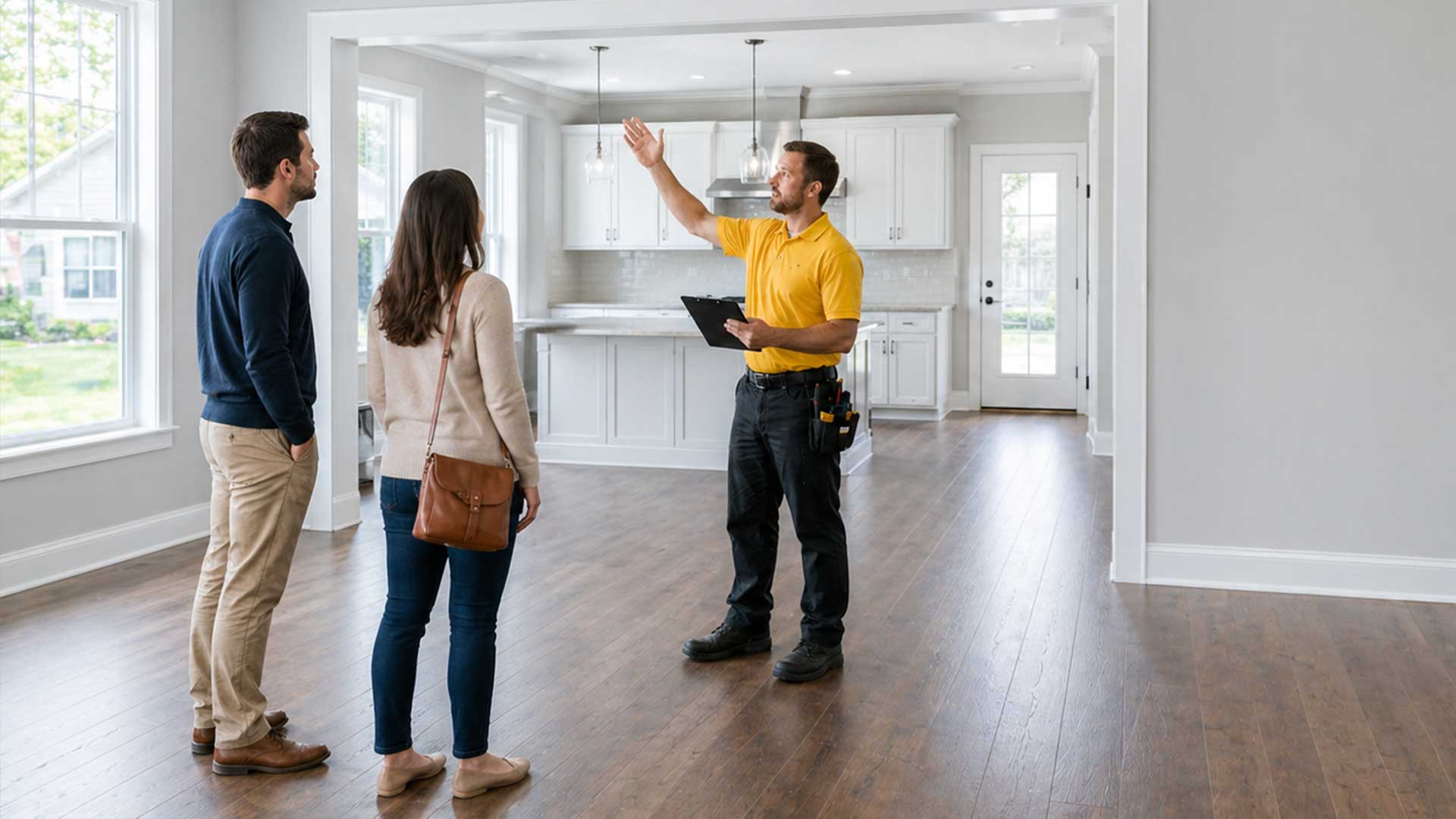
In Powell, Lewis Center, and Westerville, buyers frequently encounter:
Recognizing these patterns early allows buyers to make more controlled and confident decisions.
Choosing the right inspector can make a significant difference in how clearly risks are identified. A more thorough inspection helps reduce surprises and gives buyers a stronger understanding of the property’s true condition.
Not all Central Ohio home inspections are performed the same way. While Ohio’s Standards of Practice define the minimum requirements, the depth of the inspection depends on the inspector’s approach.
Some inspectors rely on basic visual methods, while others incorporate tools such as:
These additional methods can significantly reduce unknowns and provide a clearer picture of the property.
Buyers who want a deeper understanding can explore additional insights through Home & Commercial Inspections, including inspection standards, limitations, and advanced inspection tools.



Even with a new construction home inspection in Ohio, issues can still appear. Newly built homes are not immune to issues. In growing Central Ohio communities, inspections often reveal:
Municipal inspections verify code compliance, but they do not evaluate long-term durability or performance.
Understanding the home inspection process helps buyers feel more confident during negotiations. Instead of reacting emotionally to findings, buyers can make informed decisions based on condition, safety, and long-term cost expectations.
A Central Ohio home inspection is not about passing or failing—it is about understanding condition, risk, and future cost before making a financial commitment.
Buyers who treat inspections as a strategic tool, rather than a formality, are in a stronger position to negotiate, plan, and protect their investment.
This approach allows buyers to move forward with greater clarity, reduce unexpected expenses, and make more confident decisions throughout the home buying process.
For buyers seeking a more detailed, field-level perspective on how inspections translate into real-world cost and risk, additional insights are available through Jennifer Jones Fathom Realty | CentralOHRealty.com