Hi, future homeowner! Are you excited about finding the right house: but wondering what might be hidden behind the fresh paint, staged furniture, or carefully worded listing description?
That uncertainty is normal. A home purchase is one of the largest financial decisions you’ll make, and a successful showing doesn’t tell you everything about a property’s condition, ownership history, operating costs, or future repair needs.
That’s where due diligence comes in.
Due diligence is the process of gathering and reviewing information before you become fully committed to the purchase. In Ohio, it may include contract protections, a professional home inspection, specialty testing, title research, insurance review, and realistic repair planning.
Use this checklist to help protect your investment.

Real estate contracts and deadlines vary. Review your purchase agreement with your real estate agent and, when appropriate, a qualified real estate attorney. Do not assume that a standard inspection period applies to every transaction.

An inspection contingency is one of the most important protections available to many residential buyers. It establishes a period during which you can investigate the property and determine whether its condition is acceptable.
Depending on the wording of your contract, an inspection contingency may allow you to:
The exact rights, notice requirements, and deadlines depend on the contract you sign. Ohio buyers commonly have a limited inspection window: often around 7 to 14 days, although the period may be shorter or longer.
Before signing, ask:
Do not wait until the last day to schedule an inspection. A general home inspection may lead to additional evaluations by a structural engineer, electrician, plumber, HVAC technician, mold professional, or sewer-scope provider.

A home inspection is only as useful as the professional performing it. Ohio requires individuals conducting compensated home inspections to be licensed under the state’s home inspector regulations.
You can learn more about Ohio’s home inspector licensing requirements through the Ohio Department of Commerce.
When comparing inspectors, ask:
You can also use the Ohio Home Inspector Network to connect with inspectors serving communities throughout the state.
A qualified inspector should be independent and willing to explain findings clearly. Your real estate agent may recommend professionals, but you should select the inspector who best fits your needs.
A general home inspection typically evaluates readily accessible components, including the roof, exterior, foundation, structure, electrical system, plumbing, heating and cooling systems, attic, basement or crawl space, interior areas, windows, doors, and visible safety concerns.
A home inspection is not a guarantee that every defect will be discovered. Inspectors cannot see through walls, predict the future, or safely dismantle systems. They also do not perform code enforcement.
A home inspection is not a municipal code inspection, and a home inspector does not enforce building codes. Findings are generally described in terms of condition, functionality, safety concerns, standard building practices, and manufacturer installation guidelines.

Receiving a report is not the end of the process. It is the beginning of your decision-making.
A good inspection report should help you understand:
Look beyond the number of pages or the length of the defect list. A long report does not necessarily mean the home is in poor condition, and a short report does not necessarily mean the property is trouble-free.
Focus on significance and urgency. For example, a loose cabinet hinge and an active foundation leak should not receive the same priority.
Ask the inspector to explain:
Photos, clear descriptions, and practical recommendations can make the report much easier to use when discussing options with your agent.

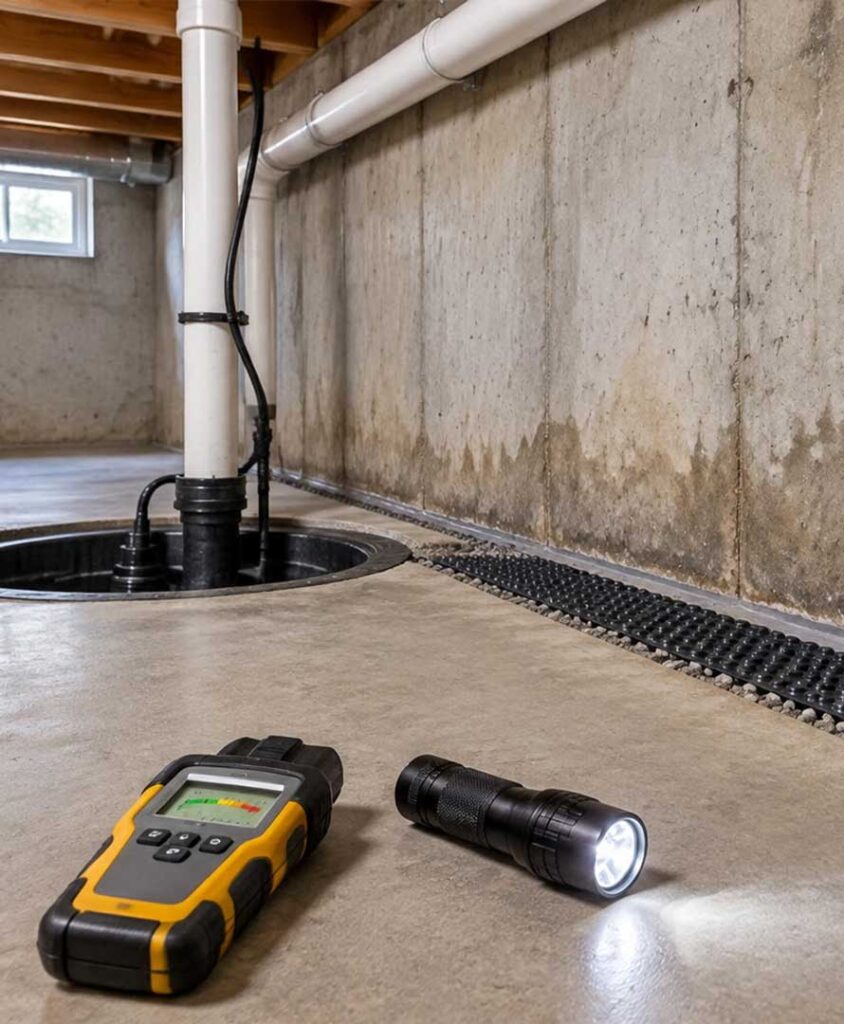
Ohio homes face a variety of foundation and moisture conditions. Soil, drainage, freeze-and-thaw cycles, grading, groundwater, and the age of the home can all affect performance.
During due diligence, pay close attention to:
Not every crack indicates a structural emergency. Some conditions are related to normal concrete shrinkage or settlement. The important question is whether the condition is active, worsening, improperly repaired, or associated with water intrusion or structural movement.
If the inspector identifies a potentially significant structural concern, consider obtaining an evaluation from a qualified structural engineer. A general home inspector can identify conditions that warrant further review but may not be able to determine the engineering cause or design a repair.
Also remember that a finished basement can conceal important information. Ask whether walls, ceilings, stored belongings, or flooring limited access to the foundation and plumbing.

Water is one of the most common sources of property damage. Before you sign away your inspection rights, investigate how the home manages rain, snow, and melting ice.
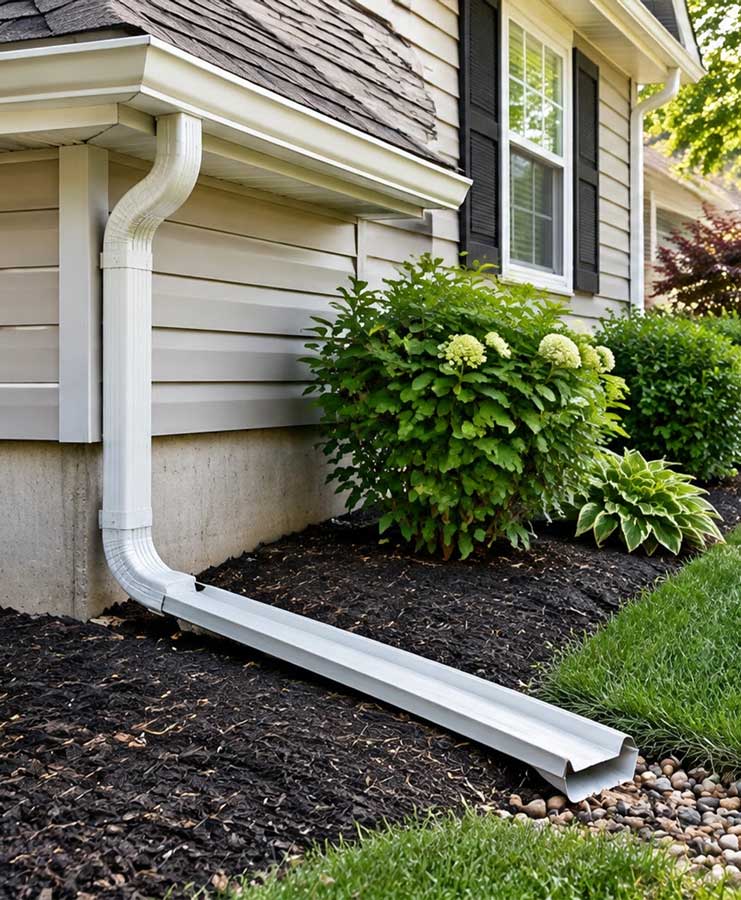
Your inspector should evaluate accessible portions of the roof covering, flashing, gutters, downspouts, exterior walls, windows, doors, and attic. Look for:
Roof age is important, but age alone does not determine remaining service life. Installation quality, ventilation, weather exposure, maintenance, and previous repairs also matter.
If the roof is difficult to access or has complex features, a roofing contractor may be needed for a closer evaluation. A home inspector may recommend that specialist when the roof’s condition cannot be fully determined during a visual inspection.

Major systems can work today and still require significant investment in the near future. During the inspection, ask about both current operation and approximate age or condition.
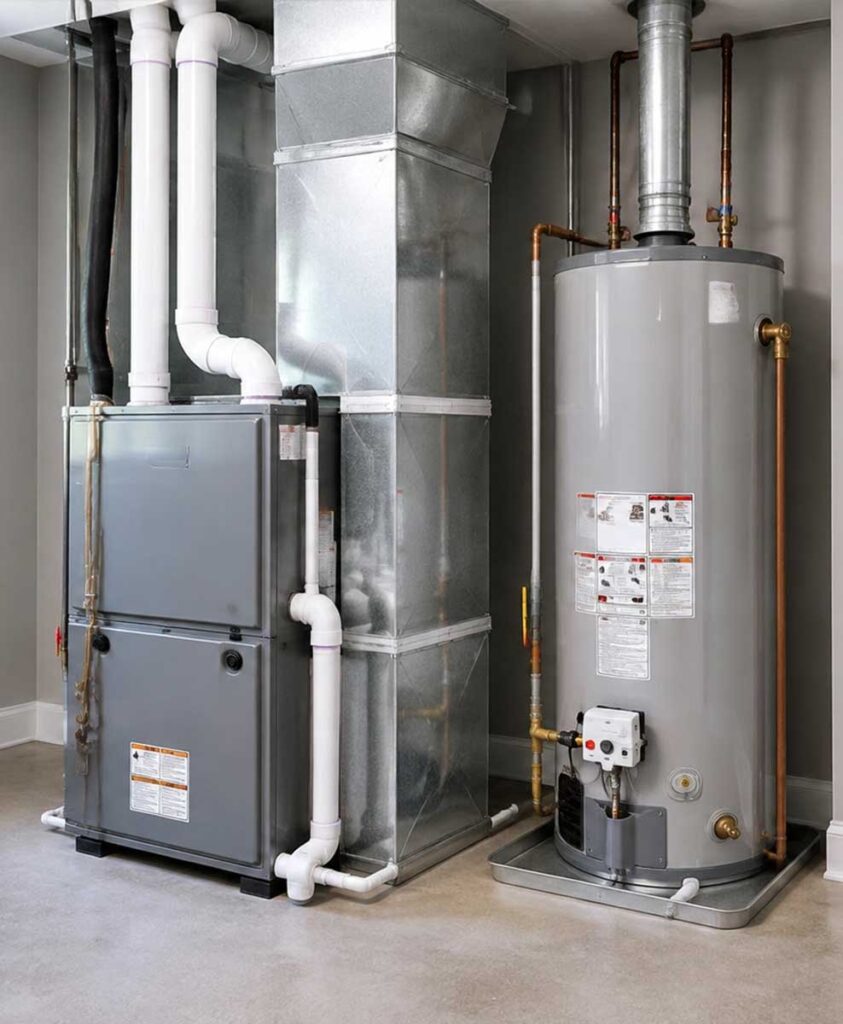
Important items include:
A home inspector may identify an older furnace, air conditioner, or water heater, but age is not automatically a defect. However, an aging system should be included in your ownership budget, especially if replacement could cost several thousand dollars.
If an inspection identifies unsafe electrical conditions, active plumbing leaks, combustion concerns, or HVAC performance problems, consult the appropriate licensed specialist. Do not rely on a general inspection report as a substitute for a repair estimate or specialized diagnostic evaluation.

Due diligence goes beyond the visible condition of the home.
Radon testing deserves special attention in Ohio. The U.S. Environmental Protection Agency recommends that home buyers test for radon, and it identifies 4.0 picocuries per liter (pCi/L) as the action level for mitigation. Levels below 4 pCi/L are not considered risk-free, so discuss results with a qualified radon professional.
You can review guidance from the Ohio Department of Health’s Radon Education and Licensing Program and the EPA’s radon resources.
Mold testing is not automatically necessary in every transaction. However, consider additional evaluation when you see:
Mold concerns are primarily moisture concerns. Testing alone will not correct a leak, drainage problem, or ventilation issue.
A sewer scope can be particularly valuable for older homes, homes with mature trees near the sewer route, or properties with a history of backups. A camera inspection may identify root intrusion, cracks, offsets, deteriorated pipe, or a collapsed line before you inherit the problem.
For rural Ohio properties, also consider septic-system inspection, well-water testing, and well equipment evaluation.
A title search and owner’s title insurance policy address ownership-related risks: not the physical condition of the home. Ask the title company to explain the title commitment, including:
Obtain homeowners insurance quotes early. Confirm that the home is insurable, learn the expected premium, and ask what deductibles and exclusions apply. Standard homeowners insurance generally does not cover flood damage, so properties near rivers, streams, or areas with drainage concerns may require separate flood coverage.
You can review consumer information from the Ohio Department of Insurance and check a property’s flood-map information through the FEMA Flood Map Service Center.
Finally, create a repair and ownership budget. Include:
A home may be affordable at the purchase price but unaffordable after urgent repairs and ongoing costs are added.

A home inspection does not tell you whether you should buy a property. It gives you information so you can make that decision with greater confidence.
Before you sign: or before your inspection period expires: make sure you understand your contract, hire an Ohio-licensed inspector, review the report carefully, order appropriate specialty evaluations, verify title and insurance details, and budget realistically for repairs.
When you’re ready, visit the Ohio Home Inspector Network to find a licensed, qualified home inspector in your area.
A few hours of careful investigation can help you avoid years of unexpected surprises.

Terry Reed is the founder of NspectAI and a licensed home inspector in Oklahoma (License #1653). Over the past decade, he has completed more than 4,500 home inspections and spent years helping clients better understand the condition of their homes.
Drawing on more than 30 years of experience in the medical and educational industries, Terry created NspectAI to combine practical field experience with the power of artificial intelligence. His mission is simple: to give inspectors better tools while ensuring that professional judgment remains where it belongs—with the inspector.
Terry frequently speaks to industry groups about artificial intelligence, technology, and the future of the home inspection profession.